Six Inches Above Normal: A Wet Walk With Fordbridge’s River Watcher
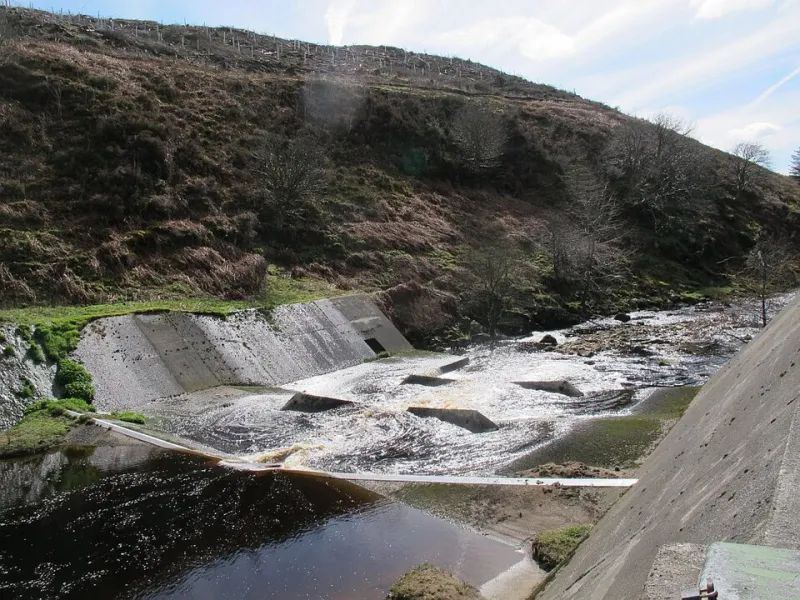
Photo: Stephen Craven , CC BY-SA 2.0, via Wikimedia Commons
At 7.55 on a wet November morning, Bridge Street is still deciding whether to wake up. The bakery has its lights on, the bus shelter smells of wet coats, and the river is making that low, busy sound it makes when there is more water in it than usual. Alison is already halfway down the steps by the old mill sluice, wearing the kind of wellies that suggest she has done this before. She has a flask in one pocket, a phone in the other, and a small notebook that has been rained on so often it has gone soft at the corners.
She is one of a handful of Fordbridge residents who keep an eye on the River Ford. Not in an official, high-vis way. More in the way that neighbours keep an eye on each other’s bins, or the way someone always notices when the church clock is running slow. Except Alison’s version involves a river gauge, a set of painted markers and a group chat called ‘Fordbridge River Watch’.
A gauge, a torch and a sensible coat
The gauge itself is not glamorous. It is a metal plate fixed to the bank near the canoe steps, marked in centimetres, with a yellow line at the point where the lower path usually gives up. Alison leans over the rail, peers at the numbers and writes down 1.38 metres. Then she takes a photograph. Not for Instagram. For the record.
‘The camera sees things I miss when it’s gloomy,’ she says. ‘And if I’m not sure, I can zoom in when I get home. The river doesn’t mind being checked twice.’
She walks on to the brick retaining wall where a series of faint paint marks show where the water has reached in past winters. Some are old, some are newer. A few have been touched up by hand. There is something oddly moving about them — like a height chart on a kitchen door, except the child is a river and the marks are reminders of how quickly it can grow.
What the numbers actually mean
On its own, 1.38 metres means very little to most people. Alison knows this. That is why her posts in the group chat are short and deliberately un-dramatic. Time. Reading. Trend. A line about the path.
‘Gauge 1.38m at 8.10, up 4cm since yesterday. Lower boardwalk passable but slippy. Steps fine. Will check again after lunch.’
That is the whole message. No capital letters, no exclamation marks, no weather theatre. Within a few minutes, someone has replied to say they will move their car from the bottom of Riverside Terrace, and someone else has asked whether the footpath by the cricket club is still open. Alison answers that one with a photo of the gate and a thumbs-up.
The chat has around 170 members now. Some live right by the water. Some walk the dog along the towpath. Some just like knowing. There are a few sensible rules: no speculation, no photos of number plates, and no pretending you know more than the gauge does. If the Environment Agency issues a warning, that gets shared properly. If someone’s nan needs a lift to higher ground, that gets sorted too. The river is the reason for the chat, but the chat is really about people.
A short history of getting wet
Fordbridge has always had a complicated relationship with its river. The town grew because of the water — the mill, the wharf, the little bridge that gave the place its name — and it has spent a fair amount of time since then politely asking the water to stay in its lane. The library has archive photographs of the 1947 thaw, when the river came up over the lower streets and people rowed down what is now the pedestrianised bit. There are also clippings from 2007, when a summer downpour caught everyone out and the fire service spent a long night pumping out cellars.
Alison is not a flood historian, but she has learned the local language of it. She knows which drains back up first, which corner of the car park holds water, and which shopkeeper keeps sandbags behind the bins. She also knows that the river can be cheerful and harmless one day and unsettling the next. That is why she checks the gauge even when it has not rained for a week.
‘People think you only need to look when it’s bad,’ she says. ‘But you need the boring days too. That’s how you know what normal looks like.’
The group chat as a public service
By 9am, the rain has settled into that fine, persistent drizzle that gets into your sleeves. Alison finishes her flask and heads back along the towpath, stopping to photograph a marker she is not quite happy with. The paint is flaking. She makes a note to mention it to the parish council. It is the sort of small, unglamorous job that never makes the headlines, but it makes the town feel a bit more looked-after.
The next post in the chat lands at 12.40. ‘Gauge 1.41m, steady. Path okay. No change expected this afternoon.’ A few people react with thumbs-up. Someone asks if the river is still rising. Someone else posts a picture of their dog refusing to walk past a puddle. Life goes on.
Fordbridge is not a place that makes a fuss about itself. It prefers things to be done quietly, by people who know where the gauge is and are willing to get their feet wet. Alison is one of those people. She would probably say she is just doing a small thing. But on a wet November morning, a small thing posted in a group chat can feel like exactly what a town needs.