Brooms Out, Piles Claimed: The Quiet Autumn Ritual on Fordbridge’s Pavements
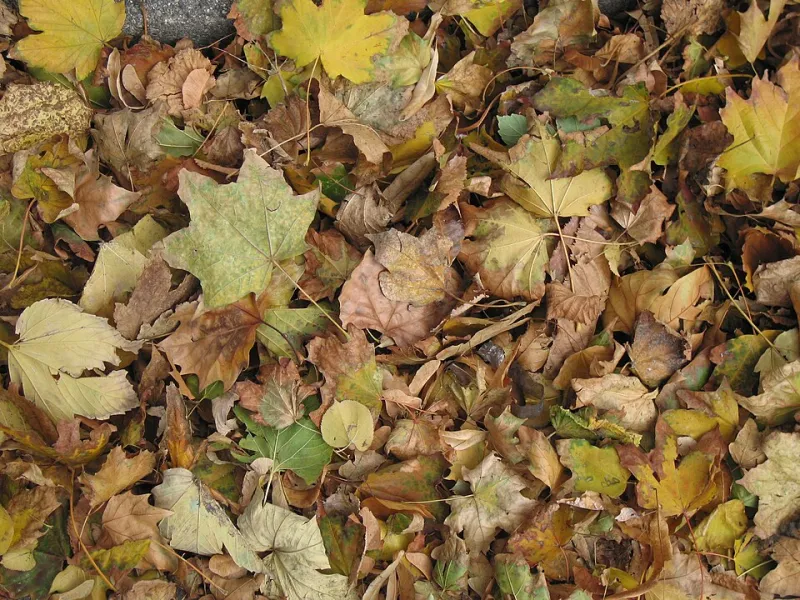
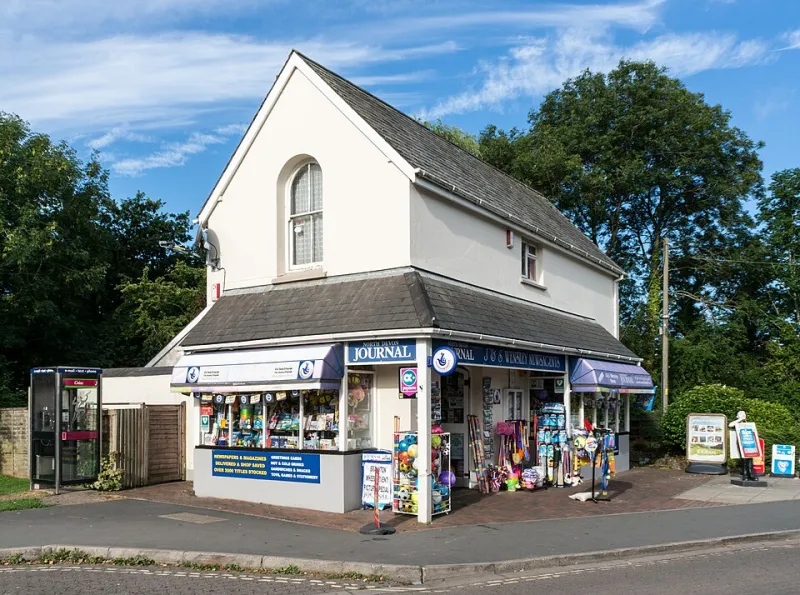
Photo: Florian Prischl, CC BY-SA 3.0, via Wikimedia Commons
November does something specific to Fordbridge pavements. The leaves come down, the rain arrives shortly afterwards, and suddenly every kerb in town is wearing a brown, slippery overcoat. Nobody called a meeting about it. Yet somehow, by the middle of the month, a quiet routine has settled in — part civic duty, part neighbourly habit, part unspoken territorial negotiation.
This is not a story about a leaf war. It is a story about a truce, and about who happens to be holding the broom when it is declared.
Bridge Street: the five-minute sweep
Start on the high street and you notice the thresholds first. Outside the florist, a neat fan of pavement has been cleared back to the kerb. Outside the bakery, same again. Outside the charity shop, a small drift remains — not through laziness, but because the volunteer on duty had already done the bit by the door and was not about to start a public works programme at ten past nine.
Shopkeepers here tend to sweep their own frontage and stop at an invisible line. Push a pile three doors along and you have not done anyone a favour; you have moved your problem into somebody else’s morning. The accepted move is to sweep towards the gutter, leave the heap tidy, and let the council crew collect it. The unacceptable move is to sweep uphill. People notice. People remember.
One shopkeeper told me she keeps a stiff broom behind the counter from October onwards, the way other people keep an umbrella. It takes four minutes, she said. Five if the wind is against you. The alternative is a customer going over outside your window, and nobody wants that on a Saturday.
Mill Lane: where the front garden meets the pavement
Mill Lane handles autumn differently. Here, householders sweep the stretch in front of their own homes — not because anyone has asked them to, but because the pavement is effectively an extension of the front garden. A man in his seventies, out with a broom older than some of the cars parked beside him, said he has done the same patch every year since he moved in. He sweeps towards the drain, bags what he can, and leaves the rest for the machine.
His rule is simple: sweep your own bit, do not push it into the next bit, and if you borrow a neighbour’s broom, return it before dark. That last point came up more than once on my walk. In Fordbridge, a broom is not just a broom. It is a small loan of trust with a wooden handle.
There is also the question of the pile. A pile of leaves at the kerb is nobody’s until it becomes everybody’s problem. Some streets bag them neatly. Others leave them in a long brown line, like a hedge that has given up. Neither approach is wrong, exactly, but the baggers tend to be happier about the whole business.
The council crew and the green bags
Fordbridge’s paid sweepers do the heavy lifting, and they do it early. The machine works the main roads before the shops open; the manual rounds follow the side streets and the bits the machine cannot reach. You will see the green bags, the barrow, the long-handled scoop. What you will not see is a crew with time to clear every residential backwater on the same day.
That is where the informal economy comes in. Residents clear the worst of it, council crews take the bagged stuff and the main routes, and the whole thing just about holds together. If a drain is blocked or a corner has become genuinely dangerous, the council’s online reporting form is the route in. It is not glamorous, but it works better than shouting at the sky.
One practical note: leaves are not recycling. They go in the green waste or the general waste depending on your bin arrangements, not in with the cans. A bag of wet leaves in the wrong bin is the kind of small mistake that makes a collection crew sigh.
The rules nobody wrote down
After a couple of hours of walking and asking, a pattern emerges. The code is not official, but it is consistent.
Sweep your own frontage first. Do not push leaves into a neighbour’s doorway or up a slope. Bag what you can, but do not overfill the bags until they split at the bottom. Do not put leaves in someone else’s bin without asking. If you clear a shared corner, clear it properly — half a job is worse than none. And if you see someone struggling with a barrow, offer a hand. That one is not a rule so much as a reflex.
Staying upright on the way to the shops
The practical side matters too. Wet leaves are genuinely slippery, especially on painted lines, metal drain covers and the ramps outside shops. Short steps beat long ones. Grippy shoes beat fashionable ones. Use the handrail on the station steps, even if it looks uncool, and give yourself a bit more time on the walk to the bus stop.
If you are clearing a path, think about the people who use it most: the buggy pushers, the wheelchair users, the older neighbours with sticks. A swept strip down the middle is nice. A swept strip plus the dropped kerb is better.
A small civility, repeated
By the time I got back to the high street, the light was going and the brooms were mostly back indoors. The pavements were not perfect. They never are in November. But they were passable, and that is the point.
Fordbridge does not make a fuss about this stuff. It just gets a broom out, sweeps its own bit, and trusts the next person to do the same. It is a small civility, repeated street by street, until the whole town is walkable again. If you see a pile at the kerb this week, leave it be. Somebody has already decided it is theirs to deal with.