One Ladle, One Queue: A November Lunch Hour at the Bridge Street Soup Hatch
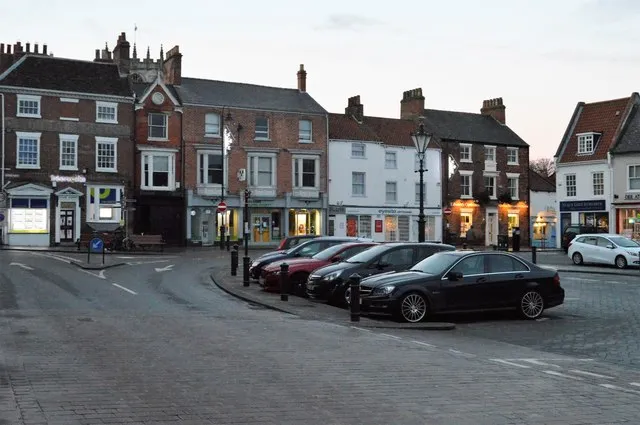
At three minutes to twelve on a grey Tuesday in November, Bridge Street looks the way it always does when the afternoons start drawing in: wet pavements, a delivery van reversing badly, and a row of shop windows doing their best to look cheerful under a sky the colour of dishwater.
Then the hatch opens.
It is not much to look at. A serving window set into the side of a narrow building between the florist and the old hardware shop, with a wooden ledge, a card reader propped on an upturned milk crate, and a hand-lettered board that goes out at ten past eleven. Today the board reads: Leek, potato and smoked cheddar. £4.50. Bread included.
By five past twelve there are nine people in a line that does not really look like a line. By twenty past, there are fourteen, and the first pot is already being scraped.
The Board Goes Out at Ten Past Eleven
Ruth has run the hatch for six years. She is not a restaurateur and does not talk like one. The kitchen behind the window is roughly the size of a generous cupboard, and it contains one hob, one large pot, one ladle, and a stack of paper bowls that she buys in bulk from a wholesaler in the next town.
'I decide the night before,' she says, ladling without looking. 'Whatever the greengrocer's got too much of, that's the soup. It's not a philosophy. It's just how you keep the price down.'
That is, more or less, the whole business model. One soup a day, five days a week, from noon until it runs out. No menu board with six options. No loyalty card. No Instagram account, although someone did set one up for her once and she has never posted on it.
What there is, instead, is a rhythm. The board goes out mid-morning so people can plan. The hatch opens at twelve. The bread — a white bloomer from the bakery two doors down — is sliced as needed and handed over in a paper bag. If you want butter, you ask, and Ruth says yes, and that is the end of the transaction.
A Queue With Its Own Rules
There is no formal queue on Bridge Street, but there is an understanding. Shop workers go first, because they have to get back. Then the bus people, because the 12:20 waits for nobody. Then everyone else — dog walkers, parents with pushchairs, the man from the estate agent who always orders two and never says why.
Dev, who has worked at the hardware shop for eleven years, arrives at 12:05 exactly and stands in the same spot by the drainpipe. He has the leek and potato three times a week and has never once asked what the soup is.
'She knows,' he says, nodding at the hatch. 'I don't need to know. It's hot and it's four fifty and I've got twenty minutes.'
Further back, a woman in a raincoat is holding a collie on a lead that has seen better days. The collie is called Biscuit, and Biscuit has learned that the hatch is a place where small pieces of bread occasionally fall. This is, as far as Biscuit is concerned, the most important building in Fordbridge.
There is a quiet etiquette to the whole thing. Nobody hogs the ledge. People take their bowls and drift towards the bench at the top of the street, or back to their cars, or stand under the awning of the charity shop eating with a plastic spoon. Conversation is short and mostly about the weather, but it happens, and it happens between people who would otherwise walk past each other without a word.
What the Soup Is Actually For
It would be easy to make too much of a takeaway hatch. It is soup. It costs less than a fiver. Ruth is the first to say she is not running a community centre.
But there is something about the way it works that feels worth noticing. In a town where the evenings close in early and the buses stop running at seven, small rituals do a lot of quiet work. The hatch is a fixed point. It tells you what day it is, roughly, and what time it is, exactly, and that someone nearby has been up since six chopping onions.
The soup changes with the season in a way that feels almost old-fashioned. Leek and potato in November. Mushroom and pearl barley when it gets properly cold. Parsnip and apple in the new year, which sounds odd and is delicious. In summer, Ruth closes for a fortnight and the street feels strangely bare.
'People ask me to do the same soup every day,' she says, wiping the ledge. 'I say no. Where's the fun in that? Anyway, the greengrocer would have something to say about it.'
The Afternoon Draws In
By ten to two, the pot is empty and the board has been turned around. Tomorrow's soup, written in the same careful capitals, is mushroom and pearl barley. The hatch closes with a small wooden clack that is louder than you would expect.
Outside, the light is already going. The shop workers are back at their counters. Biscuit has been walked home. The 12:20 is somewhere past the ring road, and the queue has dissolved into the ordinary afternoon business of a town getting on with things.
But at ten past eleven tomorrow morning, the board will go out again. And at noon, the hatch will open. And someone will be first in the not-quite-queue, and someone will ask for butter, and the window will fog up with steam from a single pot of soup.
It is a small thing. It is also, on a dark November afternoon, exactly the sort of small thing that makes Fordbridge feel like Fordbridge.